
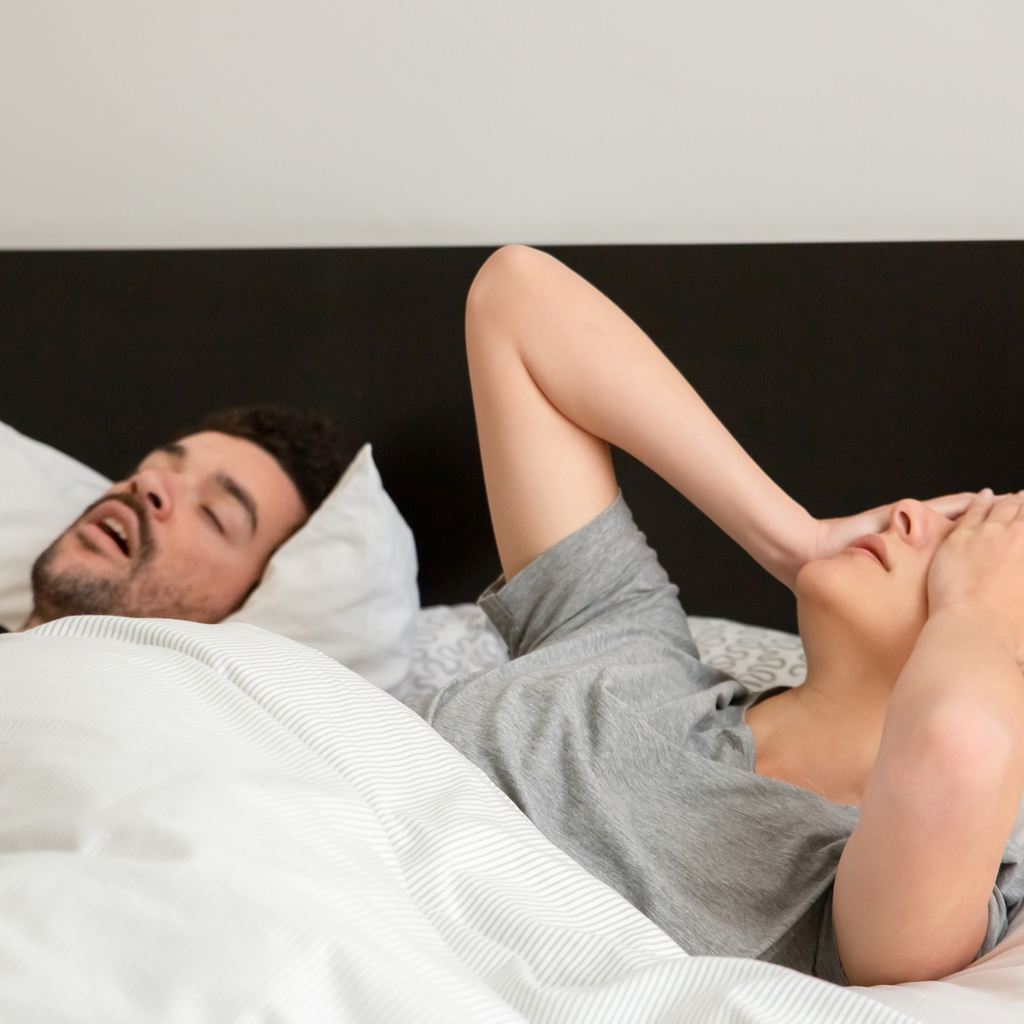
Sleep apnea is a common but serious sleep disorder in which breathing repeatedly stops and restarts throughout the night. These pauses — which can occur dozens or even hundreds of times per night — prevent the body from reaching deep, restorative sleep and reduce blood oxygen levels.
There are two primary types:
Common symptoms include loud snoring, waking with gasping or choking, excessive daytime fatigue, morning headaches, difficulty concentrating, and mood changes. Left untreated, sleep apnea is associated with increased risk of cardiovascular disease, diabetes, stroke, and motor vehicle accidents.
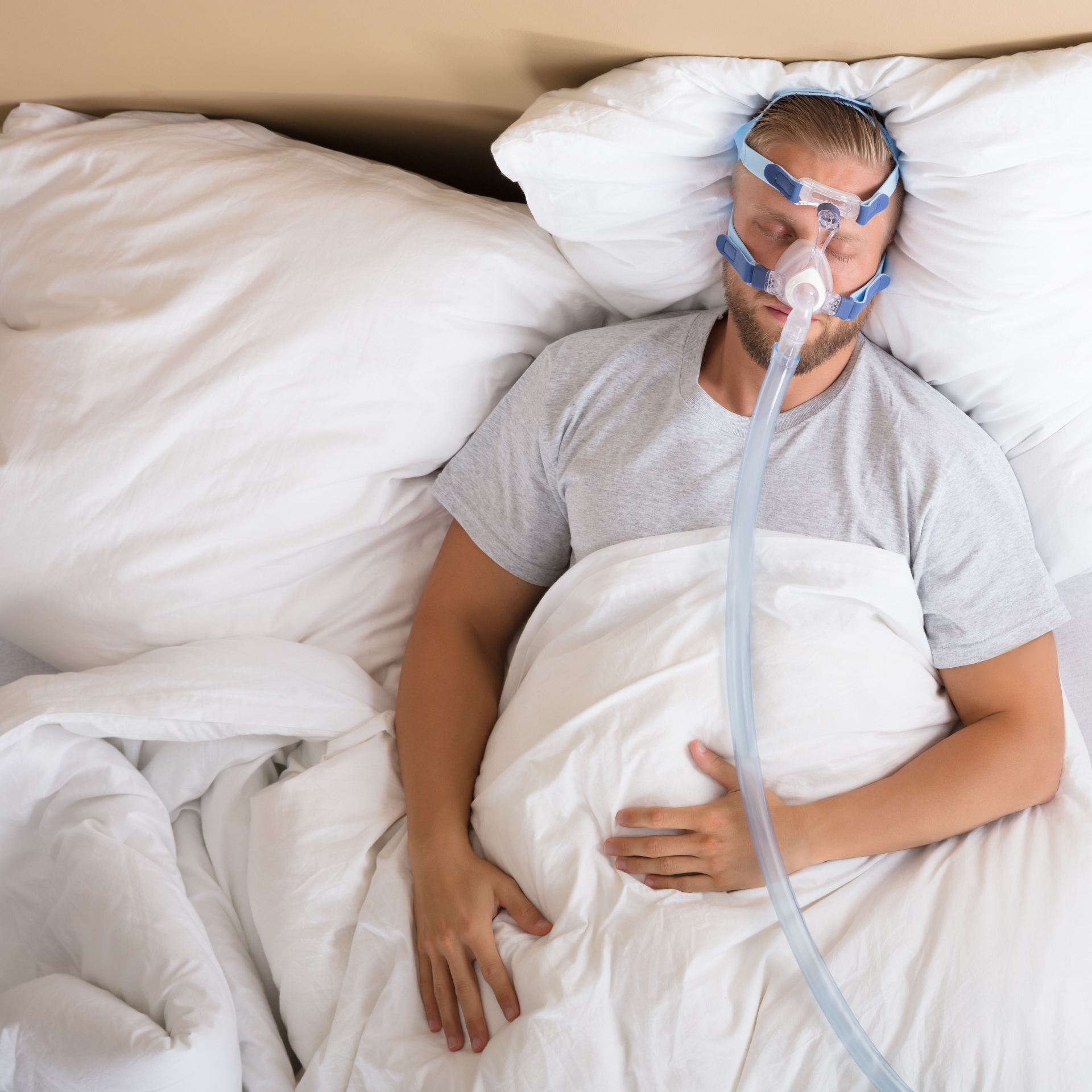
Continuous Positive Airway Pressure (CPAP) therapy is the gold standard treatment for obstructive sleep apnea. A CPAP machine delivers a steady stream of pressurized air through a mask worn during sleep, keeping the airway open and preventing apnea events.
Modern CPAP devices are quiet, compact, and highly effective. Most patients — with proper fitting and follow-up — adapt within one to two weeks and report significant improvements in energy, mood, and cognitive function.
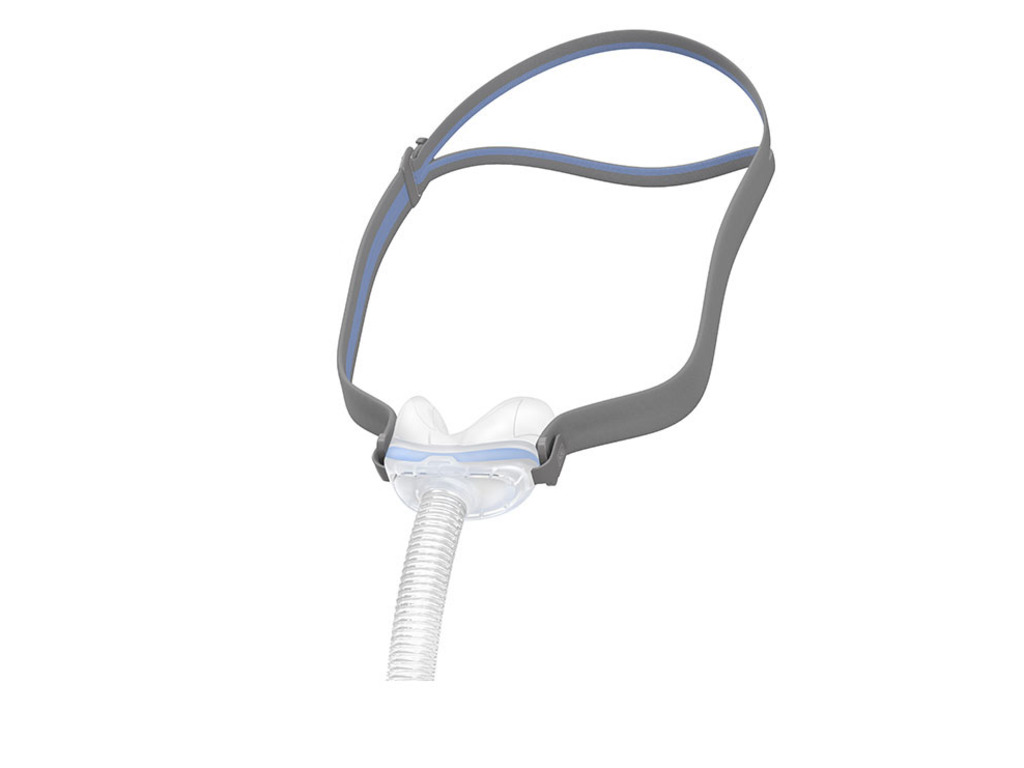
Fixed pressure setting; most commonly prescribed
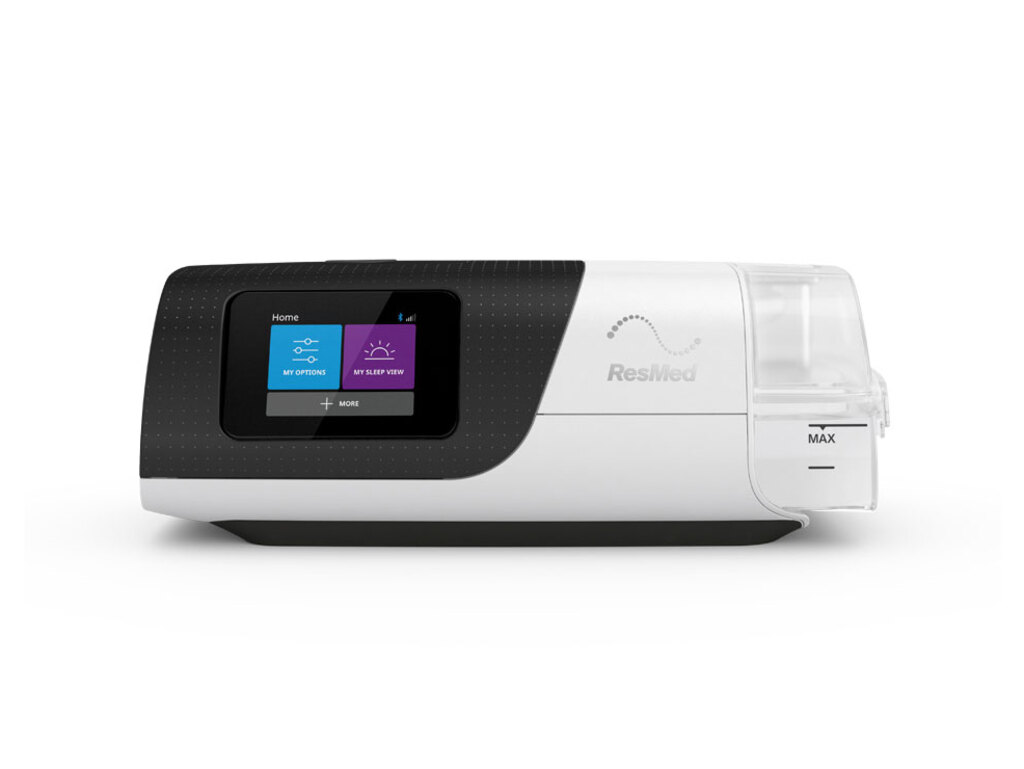
Fixed pressure setting; most commonly prescribed
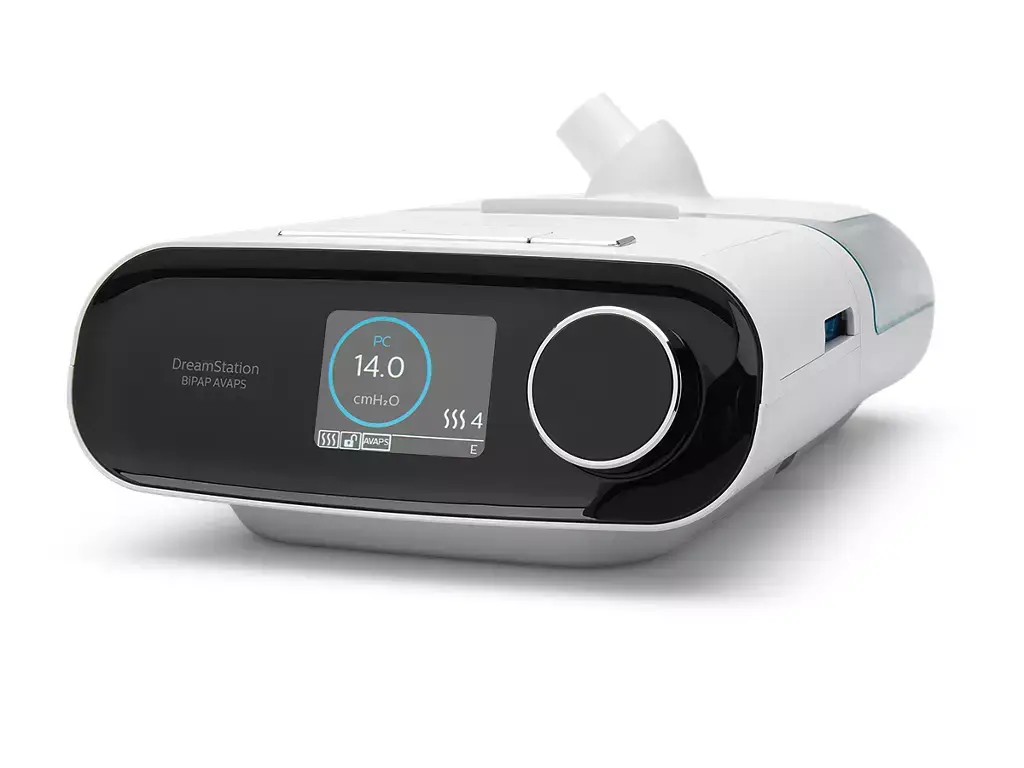
Delivers different pressures for inhalation and exhalation; used for patients who cannot tolerate standard CPAP or who have additional respiratory conditions.
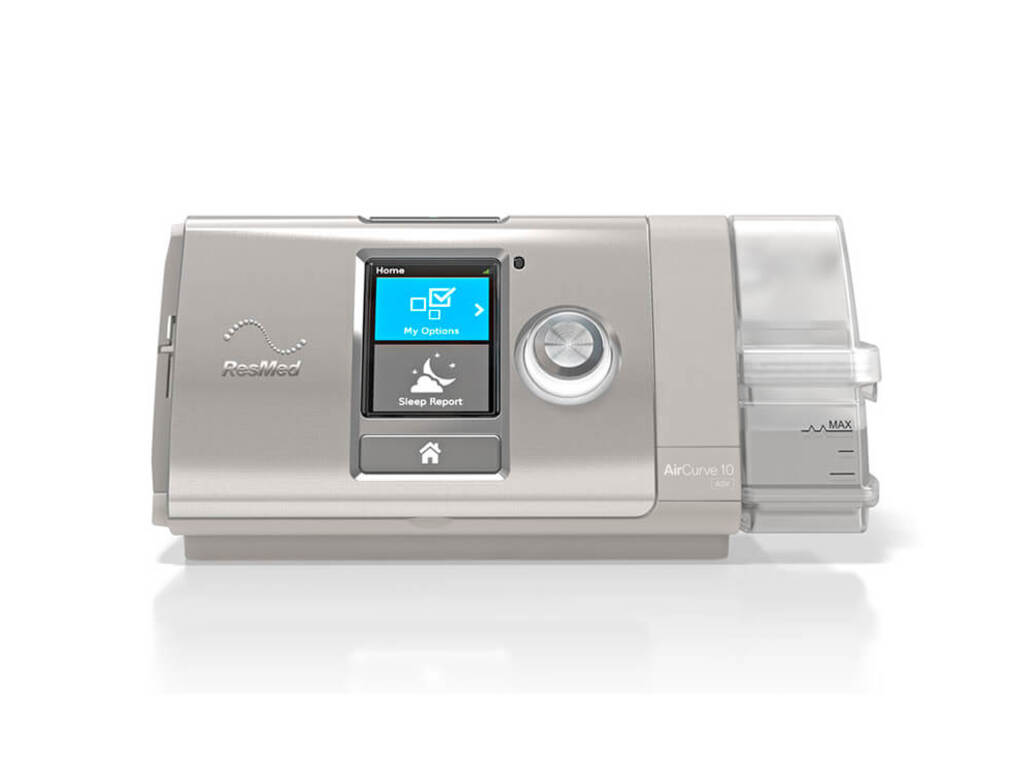
For complex or central sleep apnea; adjusts to stabilize breathing patterns.
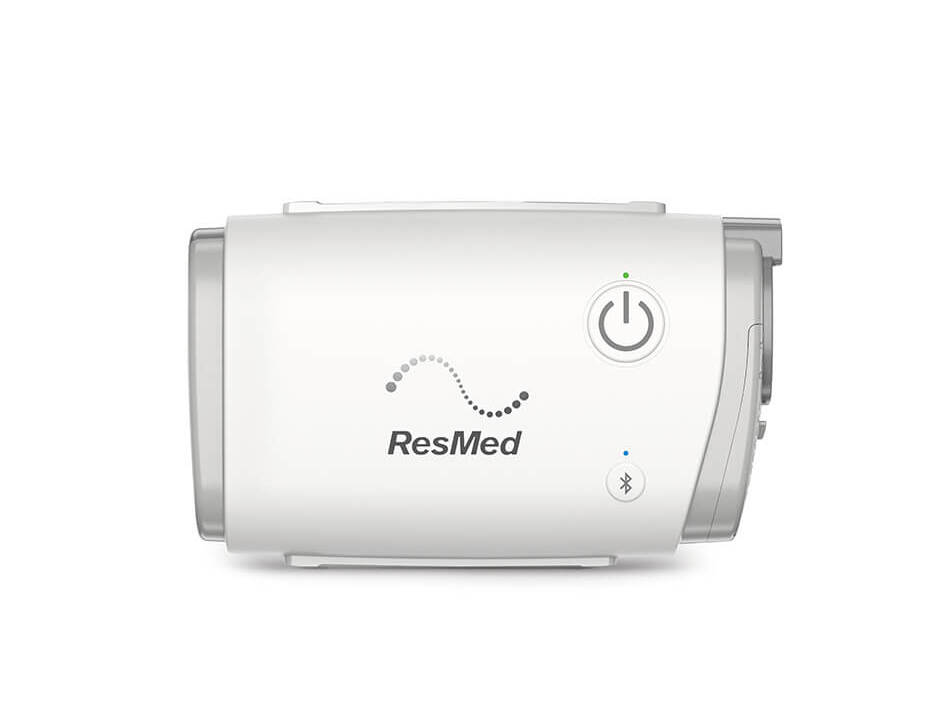
Lightweight, portable devices for use while travelling.
We proudly partner with trusted industry-leading manufacturers to provide high-quality respiratory equipment and solutions our patients can rely on.



We accept referrals from physicians and sleep specialists. If you have a completed sleep study (polysomnography or home sleep test), we review the results and recommend the appropriate therapy and device.
A Registered Respiratory Therapist meets with you to review your diagnosis, explain your options, and help you select the most appropriate device and mask for your anatomy, sleep position, and lifestyle.

Mask fit is one of the most important factors in CPAP success. We try multiple mask types and sizes to find what works best for you — full face, nasal, or nasal pillow style.
We set up and program your device, walk you through how to use, clean, and maintain it, and answer all your questions before you leave.
We schedule regular check-ins to review your therapy data, adjust settings as needed, and replace supplies on schedule. For ADP-funded patients, we manage all required documentation.

Eligible Ontario residents with a physician diagnosis of sleep apnea may qualify for CPAP funding through the Ontario Assistive Devices Program (ADP). Renaissance Respiratory is an authorized ADP vendor and can guide you through the application process.